Russia threatens systematic strikes on Kyiv to mask failures


The Kremlin has issued a stark warning threatening a series of "systematic strikes" across Kyiv and urging foreign diplomats and international organizations to evacuate the capital immediately. However, a new assessment from the Institute for the Study of War (ISW) reveals that Russia's sudden escalation is not a strategic retaliation, but a desperate move to mask severe internal failures.
On Monday, the Russian Ministry of Foreign Affairs claimed it would target Ukraine’s defense-industrial complex, including drone manufacturing hubs, command facilities, and administrative headquarters in Kyiv. Residents were warned to avoid areas near government infrastructure. Moscow framed these threats as a direct response to an alleged Ukrainian strike on a college in Starobilsk, News.Az reports, citing RBC-Ukraine.
Military analysts have thoroughly debunked this narrative. The Kremlin used the exact same excuse to launch a massive bombardment over May 23–24, raining down more than 90 missiles and 600 drones on Kyiv. Experts point out that a swarm attack of that scale takes several weeks of advanced planning and logistical positioning, proving it could not have been organized in the 24 to 48 hours following the Starobilsk incident. Furthermore, independent reports indicate the college grounds were actually being used as a Russian military camp.
RECOMMENDED STORIES
According to the ISW, Russian President Vladimir Putin is ramping up the nuclear and conventional rhetoric to divert attention from three critical vulnerabilities:
Geopolitical Humiliation: Public embarrassment over the Kremlin recently having to request Ukraine's permission to safely hold its traditional May 9 Victory Day parade.
Stalled Battlefield Progress: Russia's highly anticipated spring-summer 2026 offensive has ground to a halt, choked out by aggressive Ukrainian counterattacks, localized drone superiority, and precise medium-range strikes.
Domestic Economic Woes: Severe, compounding economic pressure within the Russian Federation that is triggering noticeable public dissatisfaction with Putin’s leadership.
Historically, Moscow intensifies its aerial terror campaigns right before major international negotiations or immediately following significant military setbacks, intentionally trying to derail or prolong the peace process. In fact, airstrikes on Kyiv began surging on the night of May 12–13—less than 24 hours after a temporary Victory Day ceasefire expired, and over a week before the Starobilsk strike even occurred.
Russia is also tactically exploiting a temporary global shortage of Patriot interceptor missiles to maximize the destructive impact of its ballistic missile strikes. On Monday, Russian Foreign Minister Sergey Lavrov placed a call to US Secretary of State Marco Rubio, attempting to spread the Kremlin’s narrative that Ukraine and Western allies are the ones undermining peace.
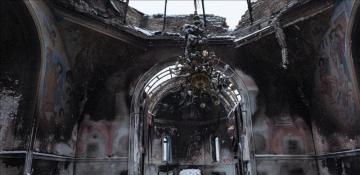
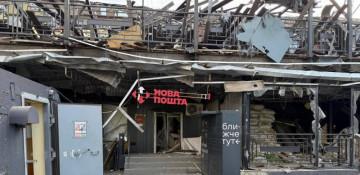
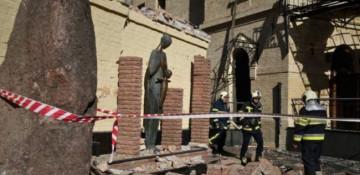
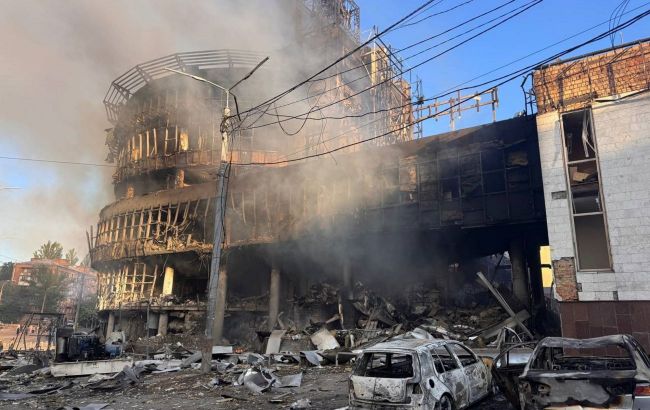
The human toll of this strategy remains devastating. The massive May 24 bombardment heavily damaged residential sectors, government offices, and cultural landmarks across Kyiv, leaving three people dead and over 90 injured. Despite the intensified pressure on the capital, Ukrainian President Volodymyr Zelenskyy confirmed that front lines across the east and south remain firmly stabilized.
By Aysel Mammadzada


Similar news